THE LOAFER

1930s

The Norwegian Origins

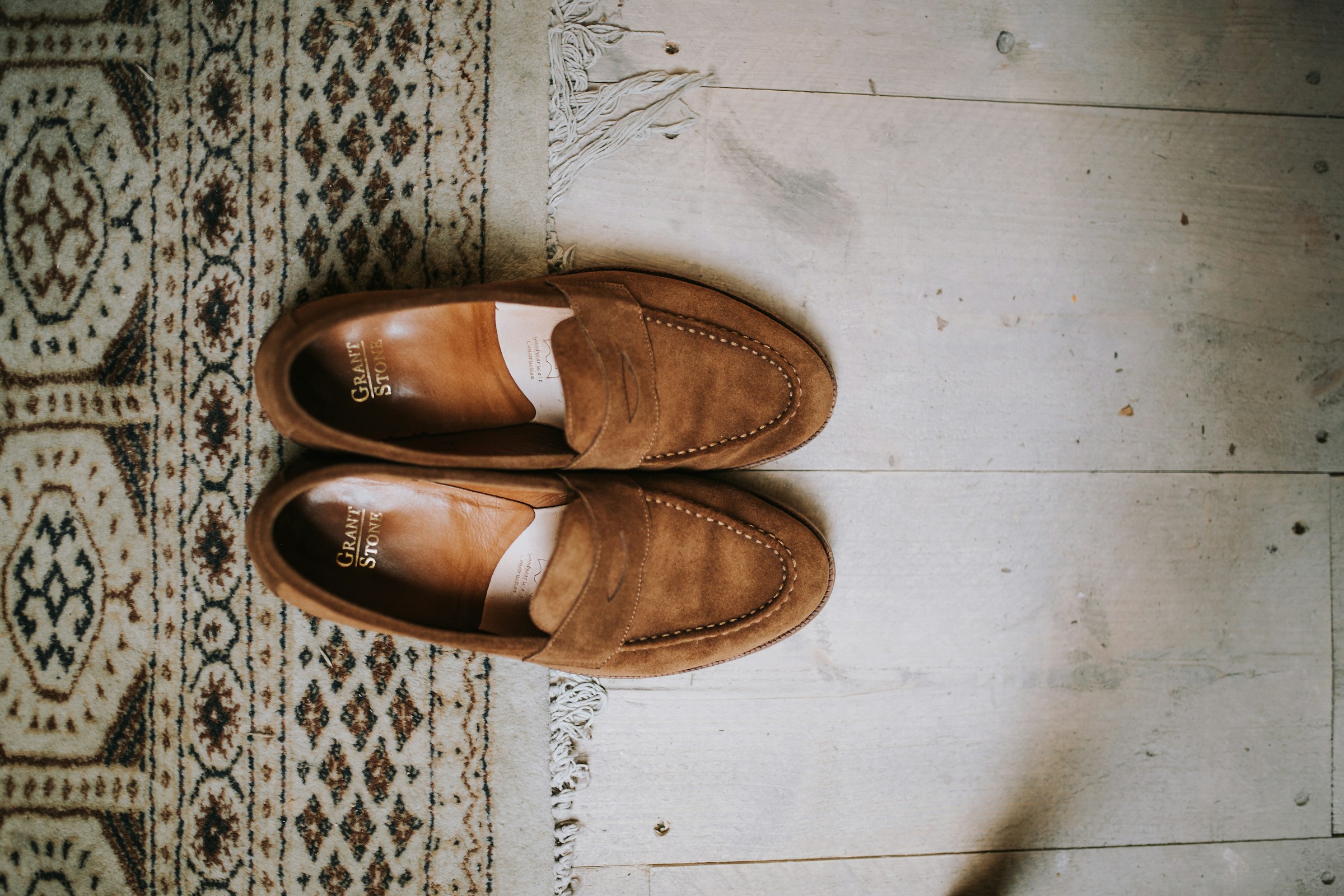
The loafer's lineage traces back not to a design house, but to the fjords of Norway. It began as a practical peasant slipper worn by fishermen and farmers. In 1936, noticing the simple elegance of these slip-ons, the American shoemaker G.H. Bass & Co. adapted the silhouette. They called it the Weejun, introducing the iconic strip of leather across the saddle with a diamond-shaped cutout. The modern loafer was born.

Norwegian loafer origins

1950s–60s

The Ivy League Era

By the 1950s, the Weejun had become the unofficial uniform of American university students. Paired with chinos and argyle socks, it was the cornerstone of preppy culture. The diamond cutout found a new, charming purpose: students began tucking a shiny new penny into the slot.

“The penny tucked in the leather became a talisman of American youth.”
Ivy League loafer style

1953

The Gucci Horsebit

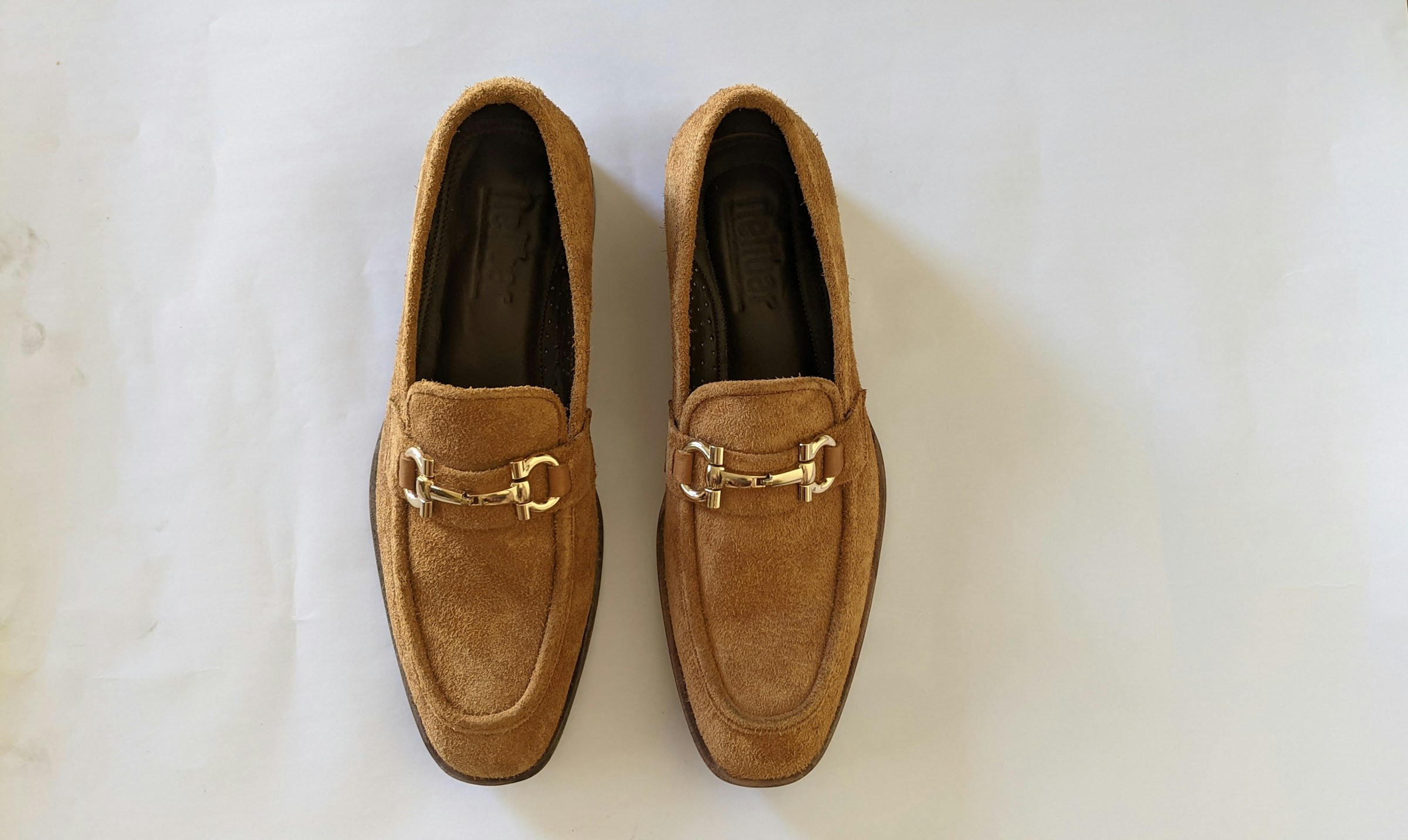
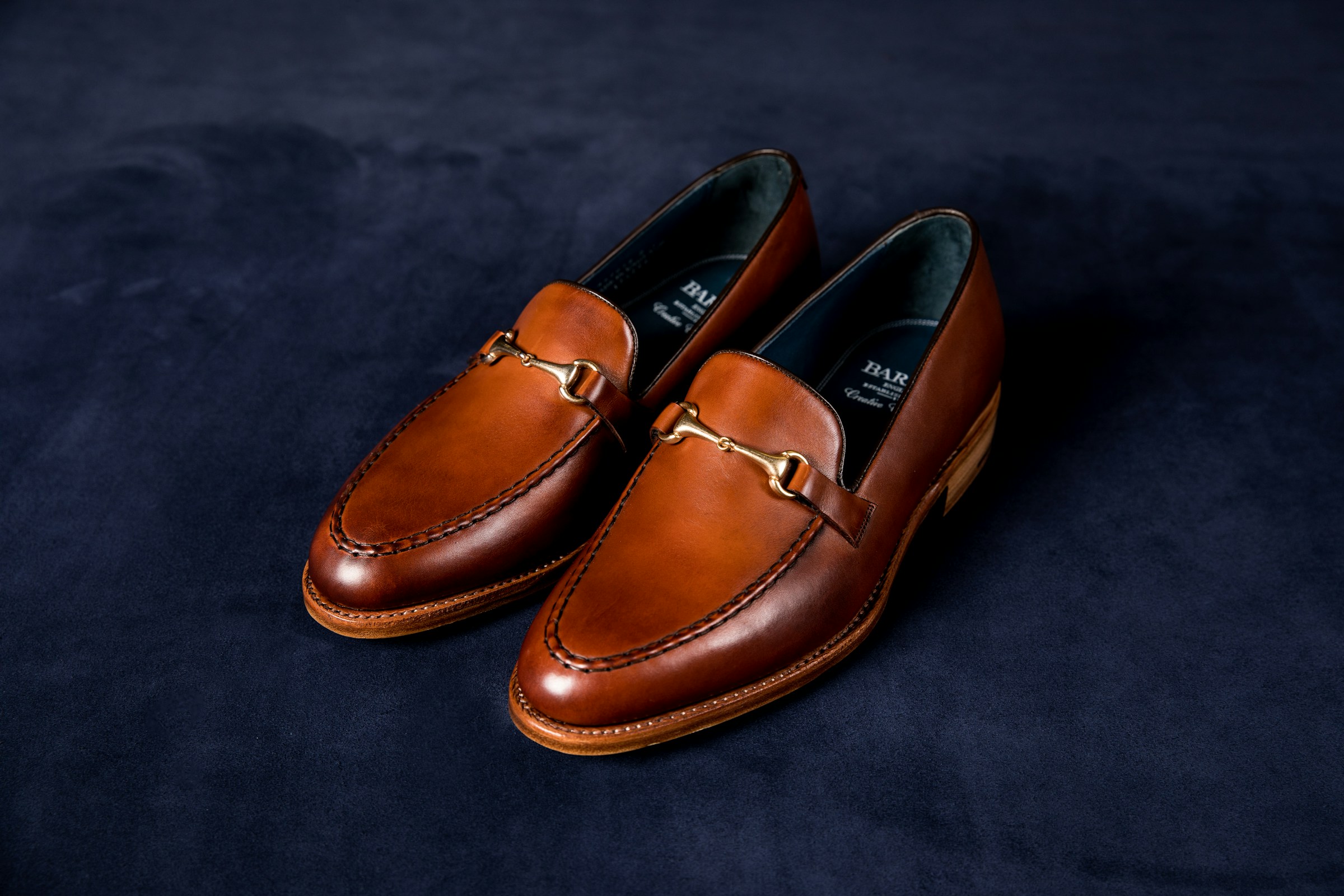
In 1953, Aldo Gucci travelled to New York and noticed the ubiquity of the slip-on shoe. Gucci refined the shape, dyed the leather black, and adorned the vamp with a miniature metal horsebit.

Gucci horsebit loafer

1960s–80s

Hollywood & Pop Culture

The loafer's versatility made it a favorite among cultural rebels. James Dean wore them with denim and an attitude of effortless cool. Later, Michael Jackson paired black penny loafers with stark white socks.

Loafers in pop culture

1990s–Present

Modern Resurgence

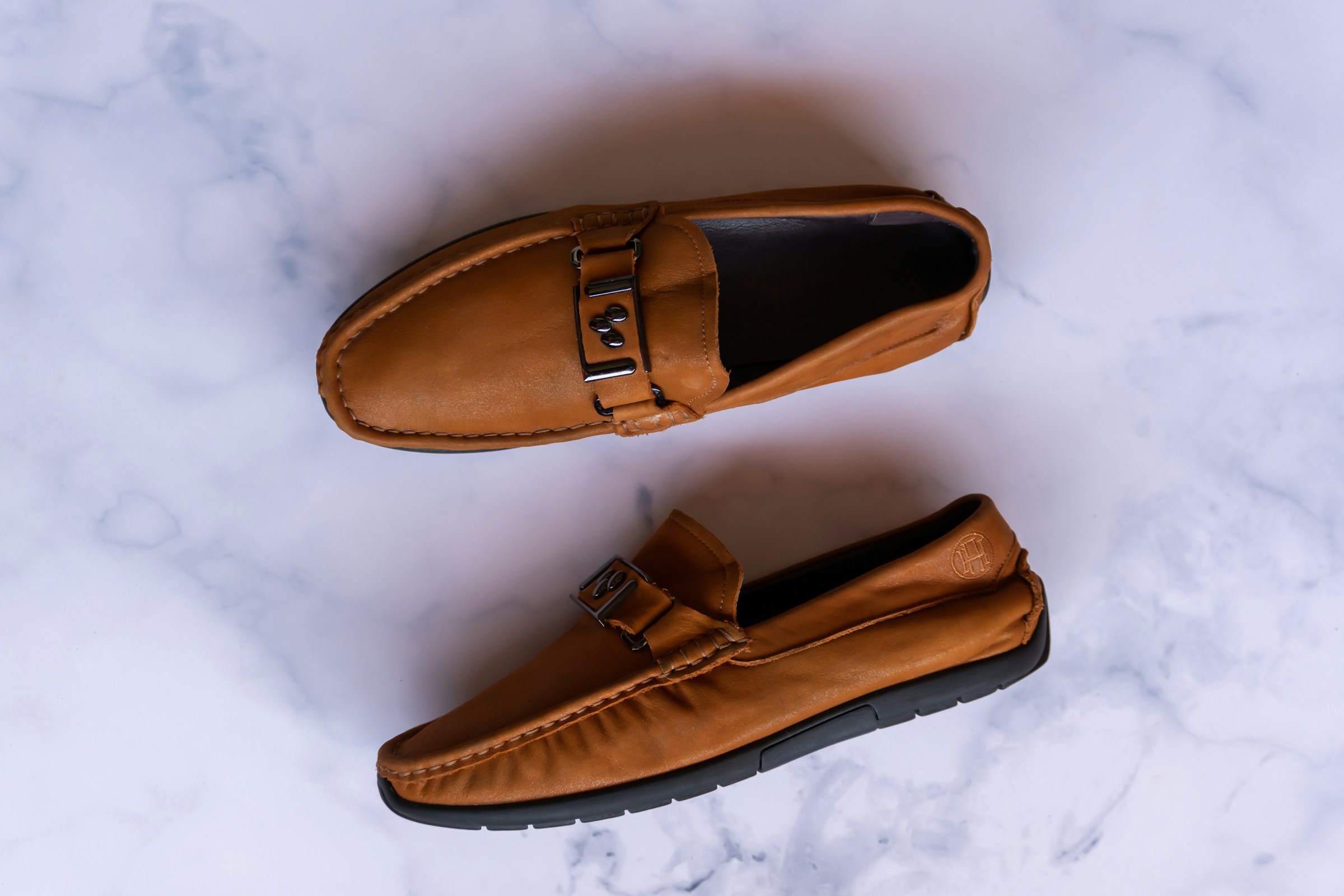
Today, the loafer has crossed over into streetwear and gender-neutral fashion. It remains a blank canvas for personal style, equally at home with a tailored suit or distressed denim.

“The only shoe that looks better the more worn-in it gets.”
Modern loafer fashion